Talat Noi: Bangkok’s Historic District Gets a Modern Makeover
SOCIETY
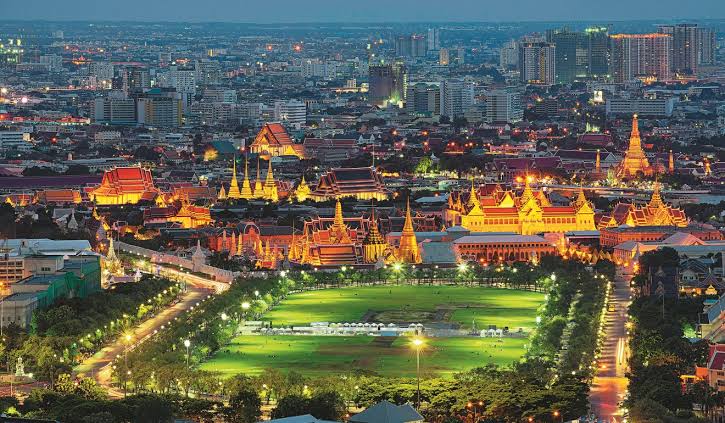
Bangkok’s Talat Noi neighbourhood is attracting a new generation of visitors with its unusual mix of Chinese heritage, traditional workshops, street art and stylish cafés. Located between Chinatown and the Chao Phraya River, this historic district offers a different perspective on Thailand’s bustling capital.
The neighbourhood gained international attention in September 2026, when Time Out ranked it No. 14 on its list of the world’s 40 coolest neighbourhoods.
Where tradition meets creativity
Talat Noi developed as a riverside trading community, shaped by generations of Chinese migrants, merchants and craftspeople. Today, its narrow streets still feature historic shrines, family-run businesses and workshops specializing in used engines and vehicle parts.
Visitors can explore landmarks such as Chow Sue Kong Shrine, Holy Rosary Church and the historic So Heng Tai Mansion, while colorful murals and vintage objects add character to the surrounding streets.
Coffee, street food and old warehouses
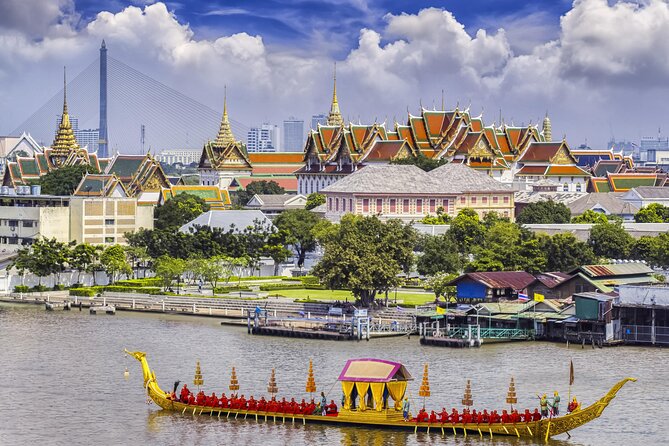
The district’s appeal also comes from its evolving food and café scene. Local eateries serve traditional dishes such as braised duck noodles, while places like Hong Sieng Kong combine riverside views with historic architecture and contemporary café culture.
Creative businesses have also transformed old commercial buildings into spaces for coffee, fashion, art and music. As evening approaches, intimate bars and restaurants bring another dimension to the neighbourhood.
A different side of Bangkok
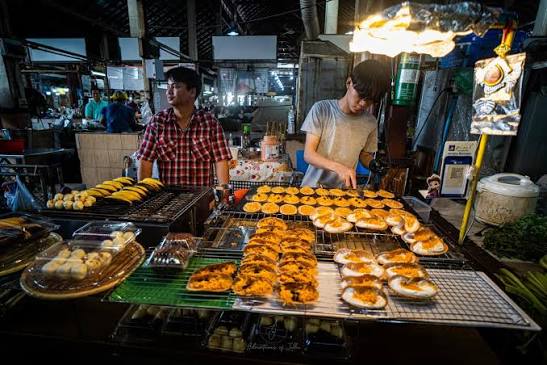
Talat Noi’s growing popularity reflects its ability to embrace modern trends without losing its local identity. Traditional workshops continue operating alongside independent cafés, and historic buildings have found new purposes without completely erasing their past.
For travellers looking beyond Bangkok’s shopping centres and major tourist attractions, Talat Noi offers a chance to experience a more intimate side of the city — one where history, everyday life and contemporary culture meet in the same streets.